Adult data importedAge ranges are modeled
Teddy Roosevelt Terrier
Growth Chart
Follow typical puppy weight from eight weeks to adulthood, compare male and female ranges, and estimate adult size.
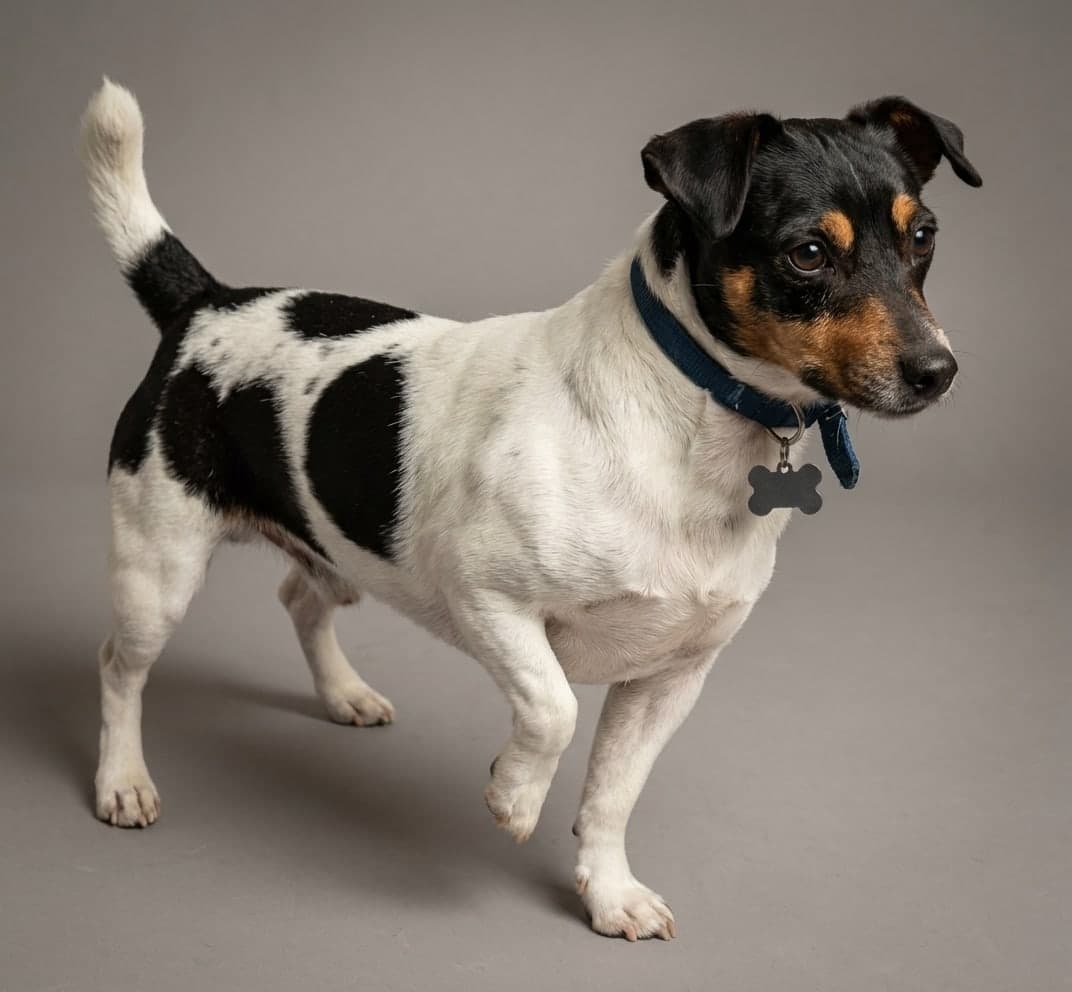
medium breedAdult size around 15 months
Veterinary note: Growth charts are educational estimates. Contact a veterinarian about sudden weight loss, stalled growth, pain or abnormal body condition.
At a glance
Quick growth summary
Interactive chart
Weight growth over time
Compare modeled male and female curves and place your puppy’s measurement on the chart.
● Male modeled midpoint● Female modeled midpoint● Your puppy
6-month comparison: 5.5 kg is within the broad modeled Teddy Roosevelt Terrier range of 2.9–8.0 kg. This does not assess health.
Modeled reference
Teddy Roosevelt Terrier weight by age
Age ranges are scaled from imported adult endpoints.
| Age | Male minimum | Male maximum | Female minimum | Female maximum | Adult size |
|---|---|---|---|---|---|
| 2 months | 0.9 kg | 2.5 kg | 0.9 kg | 2.5 kg | 23% |
| 3 months | 1.5 kg | 4.1 kg | 1.5 kg | 4.1 kg | 37% |
| 4 months | 2.0 kg | 5.6 kg | 2.0 kg | 5.6 kg | 51% |
| 5 months | 2.5 kg | 6.9 kg | 2.5 kg | 6.9 kg | 63% |
| 6 months | 2.9 kg | 8.0 kg | 2.9 kg | 8.0 kg | 73% |
| 8 months | 3.4 kg | 9.3 kg | 3.4 kg | 9.3 kg | 85% |
| 10 months | 3.7 kg | 10.1 kg | 3.7 kg | 10.1 kg | 92% |
| 12 months | 3.8 kg | 10.6 kg | 3.8 kg | 10.6 kg | 96% |
| 18 months | 4.0 kg | 10.9 kg | 4.0 kg | 10.9 kg | 100% |
| 24 months | 4.0 kg | 11.0 kg | 4.0 kg | 11.0 kg | 100% |
Modeled estimates—not observed measurements or official growth requirements.
Sex differences
Male and female growth
Imported adult range
4.0–11 kg20–38 cm
- Fastest gain occurs in puppyhood.
- Height stabilizes before muscle.
- Monitor trends, not one reading.
Imported adult range
4.0–11 kg20–38 cm
- Adult ranges can overlap.
- Genetics affect final size.
- Pair weight with body condition.
Interactive estimate
Teddy Roosevelt Terrier adult-size estimate
Enter current age and weight. The calculator uses the same size-based curve as the chart.
Estimated adult weight6.8 kg
Broad estimate: 6.2–7.5 kg
73%modeled growth
Educational estimate only—not a veterinary assessment.
Development timeline
Puppy growth stages
Stage 1Socialization2–3 months
Growth
Rapid learning and coordination.
Feeding & exercise
Measured meals and gentle play.
Health
Record growth and discuss unusual changes with a veterinarian.
Stage 2Juvenile3–6 months
Growth
Height and limbs develop quickly.
Feeding & exercise
Gradual training; avoid forced impact.
Health
Record growth and discuss unusual changes with a veterinarian.
Stage 3Adolescent6–12 months
Growth
Growth slows as strength increases.
Feeding & exercise
Consistent portions and vet checks.
Health
Record growth and discuss unusual changes with a veterinarian.
Stage 4Young adult12–15 months
Growth
Frame and muscle mature.
Feeding & exercise
Transition care with veterinary guidance.
Health
Record growth and discuss unusual changes with a veterinarian.
Stage 5Mature15+ months
Growth
Adult structure stabilizes.
Feeding & exercise
Adjust calories to activity.
Health
Record growth and discuss unusual changes with a veterinarian.
Healthy development
Factors affecting growth
Parents and breed lines influence size.
Balanced food supports controlled growth.
Adult ranges may differ.
Age-appropriate movement builds coordination.
Illness and parasites can disrupt growth.
Steady growth
Healthy signs
- Gradual weight gain
- Visible waist
- Ribs easy to feel
- Comfortable movement
- Normal appetite
- Consistent energy
Veterinary review
Warning signs
- Sudden loss or gain
- Stalled growth
- Limping or pain
- Digestive problems
- Marked lethargy
- Abnormal condition
Internal comparisons
Similar-size breeds
Teddy Roosevelt Terrier vs Affenpinscher
Compare size, temperament, care and household suitability.
Open comparison →Teddy Roosevelt Terrier vs Afghan Hound
Compare size, temperament, care and household suitability.
Open comparison →Teddy Roosevelt Terrier vs Africanis
Compare size, temperament, care and household suitability.
Open comparison →Teddy Roosevelt Terrier vs Aidi
Compare size, temperament, care and household suitability.
Open comparison →Common questions
Teddy Roosevelt Terrier growth FAQs
How much should a Teddy Roosevelt Terrier puppy weigh?
Use the table as a broad modeled range. Age, sex, genetics, nutrition and body condition all matter.
When is a Teddy Roosevelt Terrier fully grown?
Teddy Roosevelt Terrier dogs commonly approach adult size around 15 months, though muscle can continue developing.
Are male and female Teddy Roosevelt Terrier dogs different in size?
Imported adult ranges are 4.0–11 kg for males and 4.0–11 kg for females.
Is the calculator exact?
No. It is an educational size-curve estimate, not a diagnosis or guarantee.
Transparency
Sources and methodology
Adult weight, height and lifespan use structured database values.
A size curve scales adult endpoints; values are not observed.
Individual puppies may grow differently.
Recheck when source data or methods change.