Parent-derived estimate
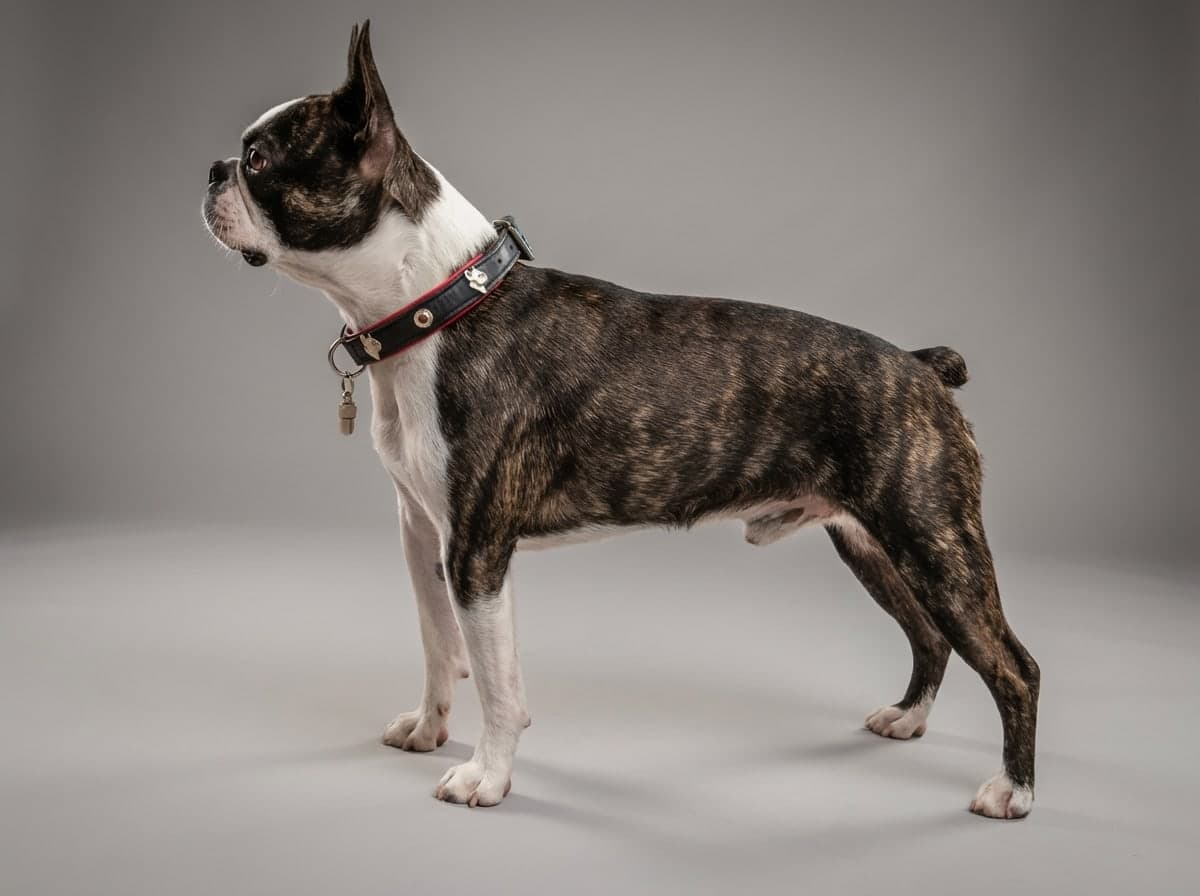
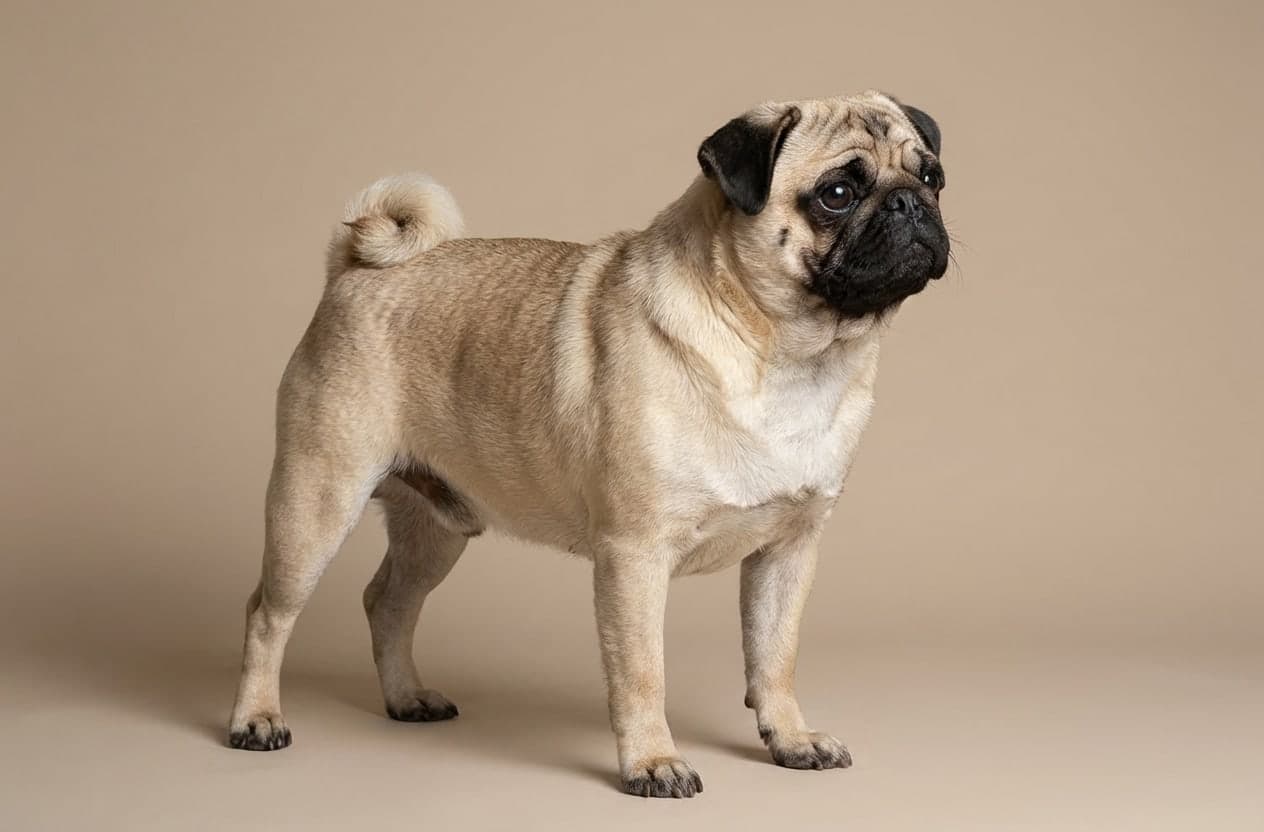 Parent references
✓ Reviewed profileParent-derived estimates
Bugg
Boston Terrier × Pug
Crossbreed overview
Variable inheritanceAbout the Bugg
Bugg is associated with a cross between the Boston Terrier and the Pug. Size, coat, temperament and care needs can vary, so imported and parent-derived values are planning ranges rather than guarantees for an individual dog.
Bugg is associated with a deliberate cross between the Boston Terrier and the Pug. This profile combines the documented parent relationship with structured records for both parent breeds. Because Bugg is a crossbreed, appearance, temperament and care needs can vary between individual dogs, even within the same litter. Parent averages are planning ranges, not guaranteed outcomes.
Crossbreed variability: Parent breed records describe possible tendencies, not guaranteed traits. Evaluate the individual dog’s health, behaviour, background and needs.
Quick facts
Bugg expected ranges
Parent oneBoston Terrier
Parent twoPug
Expected sizesmall
Adult weight7–11 kilogram
Adult height25–43 centimetre
Lifespan10–15 year
Recognitionnot recognized
GenerationF1
All measurements are broad modelled estimates spanning the published adult ranges of both parents.
Size and appearance
Possible build, coat and colours
Adult size may fall anywhere across the modelled ranges of the Boston Terrier and Pug. Coat texture, length and colour may resemble either parent or combine features from both. Measurements shown on this page use a broad parent-envelope model and are labelled as estimates.
Possible coat typesShort, SmoothPossible coloursWeight envelope7–11 kilogramHeight envelope25–43 centimetre
Possible temperament
Parent-linked tendencies
FriendlyintelligentoutgoingplayfulAffectionatecharmingadaptableaffectionatealert
The listed traits come from the published parent-breed records. A Bugg may show some, many or none of these tendencies. Early socialisation, training, health, environment and the individual dog all affect behaviour.
Care estimates
1–5 parent averagesExercise, training, grooming and shedding
Parent-derived estimate
Parent-derived estimate
Parent-derived estimate
Exercise and trainability scores are rounded parent averages on the documented 1–5 scale. Start with age-appropriate activity and reward-based training, then adjust for the individual dog's health, energy and response.
Grooming and shedding can be especially variable in a Boston Terrier–Pug cross. The scores are parent-based estimates. Assess the individual coat and ask a qualified groomer for a practical routine when needed.
Household fit
Family and living suitability
Parent-derived estimate
Parent-derived estimate
Parent-derived estimate
Family, dog and apartment suitability scores are planning indicators derived from the two parent profiles. They do not predict the behaviour of an individual dog. Supervise interactions with children and other animals and introduce household changes gradually.
Health overview
What to discuss with a veterinarian
A crossbreed may inherit health risks seen in either parent line, but it should not be assumed that every dog will develop a condition. Review the health sections for both parent breeds and discuss screening, preventive care and individual risk with a veterinarian.
Boston Terrier health references
Open the parent profile for its latest reviewed health information.
Review Boston Terrier health sources →Pug health references
Open the parent profile for its latest reviewed health information.
Review Pug health sources →Generation labels
What F1 means
F1 describes a first-generation cross between the two named parent breeds. Backcross and later-generation labels depend on the actual breeding program and should only be applied when a dog's ancestry is documented. This profile does not assume that every Bugg is an F1 dog.
Frequently asked questions
Common Bugg questions
What breeds make a Bugg?
The documented parent breeds are Boston Terrier and Pug.
How large can a Bugg get?
The broad parent-based adult weight estimate is 7–11 kilogram, and the height estimate is 25–43 centimetre. Individual dogs may fall outside these ranges.
What is a Bugg's temperament?
Possible parent-linked tendencies include Friendly, intelligent, outgoing, playful, Affectionate, charming, adaptable, affectionate. No trait is guaranteed in an individual dog.
Does a Bugg shed?
The parent-derived shedding estimate is 3/5, but coat inheritance can vary substantially even within one litter.
Data methodology
How this profile is calculated
Parent relationships come from a reviewed open reference. Adult ranges use the lowest published parent minimum and highest published parent maximum. Scores are rounded averages of the two published parent profiles. These calculations are deliberately broad and remain labelled as modelled estimates.
Read the complete methodology →Sources and licensing
✓ ReviewedTraceable profile evidence
parentBreedsThe Dog API ↗The Dog API Terms of Service (effective 2023-07-01)
imported-profileThe Dog API ↗The Dog API Terms of Service (effective 2023-07-01)
Last reviewed 10/16/2026. Estimated and verified data are identified separately throughout the page.