Pyredoodle vs Pyrenean Mountain Dog
This comparison interprets the published records for Pyredoodle and Pyrenean Mountain Dog. Crossbreed ranges and scores are broad parent-derived estimates, so the table is useful for planning but cannot predict the exact size, coat, temperament or health of an individual dog.
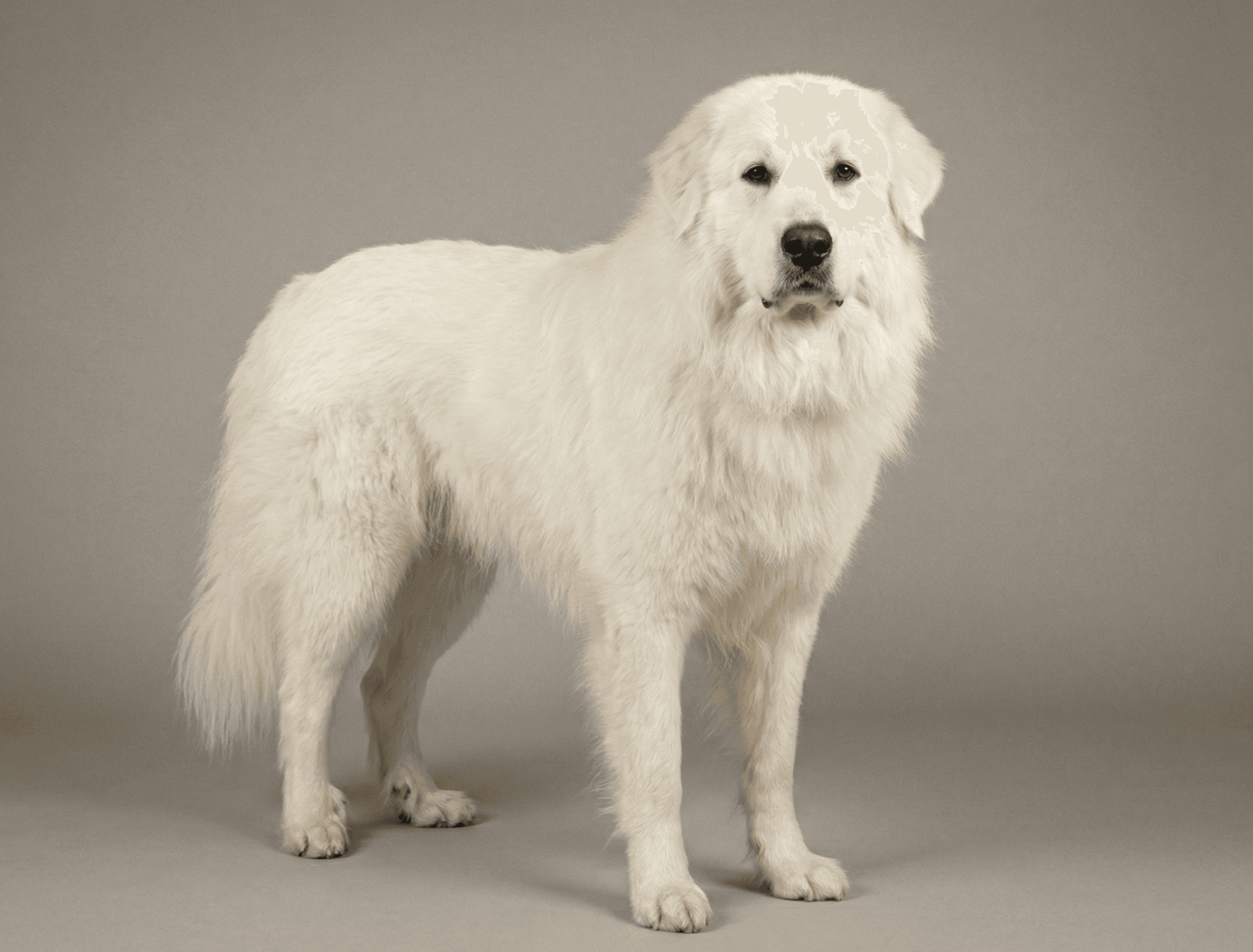
Facts and expected ranges
| Attribute | Pyredoodle | Pyrenean Mountain Dog |
|---|---|---|
| Profile type | crossbreed | breed |
| Expected size | varies | giant |
| Adult weight | 39–54 kg | 45–73 kg |
| Adult height | 64–81 cm | 69–81 cm |
| Lifespan | 10–13 years | 10–12 years |
| Possible coat types | Double, Curly | Double |
| Possible colours | White | White |
Parent-linked 1–5 scores
Crossbreed scores are rounded parent averages, not guarantees. Verified breed scores describe general tendencies and still do not predict every dog.
Interpret the differences by owner priority
Lower grooming estimate
Pyrenean Mountain Dog
Higher trainability estimate
Pyredoodle
Higher child-suitability estimate
Similar
Lower exercise estimate
Pyrenean Mountain Dog
No breed or crossbreed is universally better. Match the individual dog to your home, experience, time, budget and ability to provide veterinary care.
Possible differences
Pyredoodle
Gentle, confident, protective, independent, calm, loyal, Intelligent, athletic, alert, eager to please, gentle, affectionate
Pyrenean Mountain Dog
Gentle, confident, protective, independent, calm, loyal
Common comparison questions
Which needs more exercise: Pyredoodle or Pyrenean Mountain Dog?
Pyredoodle has the higher parent-linked energy score (4/5 versus 3/5).
Which has lower grooming needs?
Pyrenean Mountain Dog has the lower structured grooming estimate. A crossbreed coat can still differ from the model.
Which is more apartment suitable?
Pyredoodle has the higher apartment-suitability score, but exercise, noise and individual behaviour remain important.
Why this comparison is available
This URL is limited to compatible, published records: a crossbreed and one of its documented parents, or two crossbreeds that share a documented parent. Unrelated arbitrary pairs do not produce an indexable page.
Crossbreed measurements use parent envelopes and scores use rounded parent averages. Review the visible sources on each profile and read the complete methodology.